Is recycling a hoax? 5 myths about recycling
You’ve probably seen headlines like “Plastic recycling doesn’t work” or “Is recycling worth it?” Perhaps they’ve made you wonder if there’s a point in putting anything in your blue bin. You’re not alone!
The truth about recycling isn’t as simple as those headlines make it seem, though. While recycling is not the solution to ending the waste crisis, it’s still important.
Here’s what people often get wrong about recycling, and the real truth hiding behind those myths.
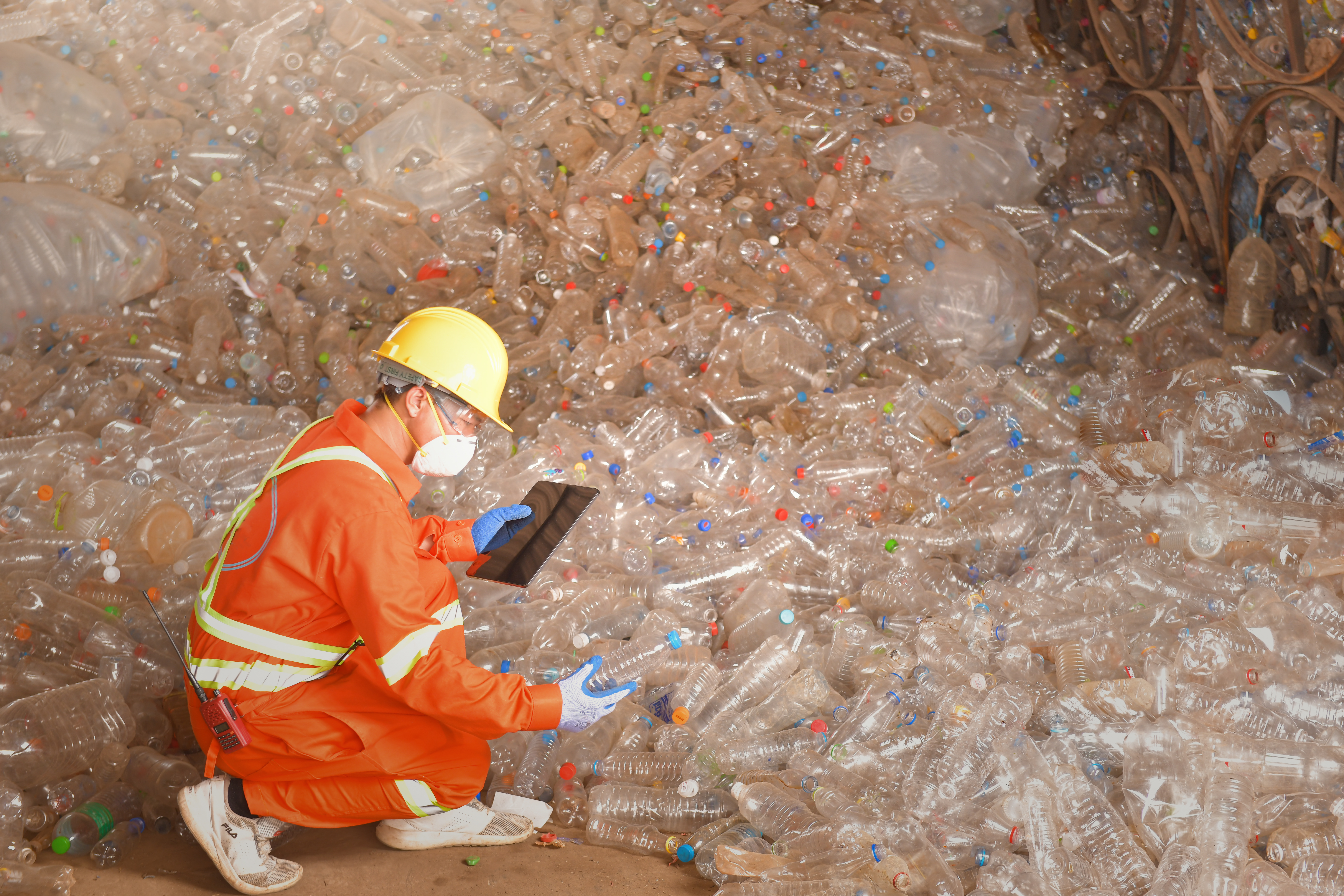
Myth 1: Most things can't be recycled
Depending on where you live, you can probably only put aluminum cans, paper, clean cardboard, plastics #1 and #2, and sometimes glass jars in your recycling bin. Does that mean everything else can never be recycled?? Not really!
Pretty much anything can be recycled. But whether or not your local recycling service will accept an item depends on if they can make a profit from it. Aluminum cans are very profitable to recycle, while a mascara wand costs more to collect and process than the resulting recycled materials are worth.
This means the mascara wand can’t go in your blue bin, along with much of the other hard-to-recycle trash we all produce.
At TerraCycle, we can recycle the unrecyclable - waste streams that aren’t typically curbside recyclable (like beauty waste—see our processing in action here). How can we recycle these hard-to-recycle items? We work with brands, retailers, and other stakeholders who fund the recycling process. We offer free recycling programs, which are sponsored by your favorite brands so that you can recycle their products and packaging for free. Just sign up for a free TerraCycle account, join a program, start collecting the accepted waste, and then send it to us by downloading a free shipping label. To #RecycleEverything, from coffee capsules to the entire contents of your bathroom, check out the range of Zero Waste Boxes available for purchase on our website.
Myth 2: Recycling companies are the problem
Recycling companies, like any for-profit company, are in business to make a profit. They do not exist to solve the waste crisis.
Think of them like a junk hauler. When you call one to clear out your house, they might be able to buy some items from you, like a grand piano (which they would then resell), but you’ll have to pay them to take everything else away (and they’ll take it to a landfill or incinerator).
TerraCycle is different from recycling companies because our recycling is funded by the brands and retailers that sponsor our programs and the consumers who buy Zero Waste Boxes. We guarantee to recycle all accepted waste sent in through our free and paid programs. Learn more about the TerraCycle Difference.
Myth 3: Recycling doesn’t work
Recycling actually works very well when the business equation is favorable, as it often is for waste like paper, cardboard, aluminum, and some plastics. But, as we’ve seen, that’s not the case for many other items. And what’s accepted for recycling can vary from location to location.
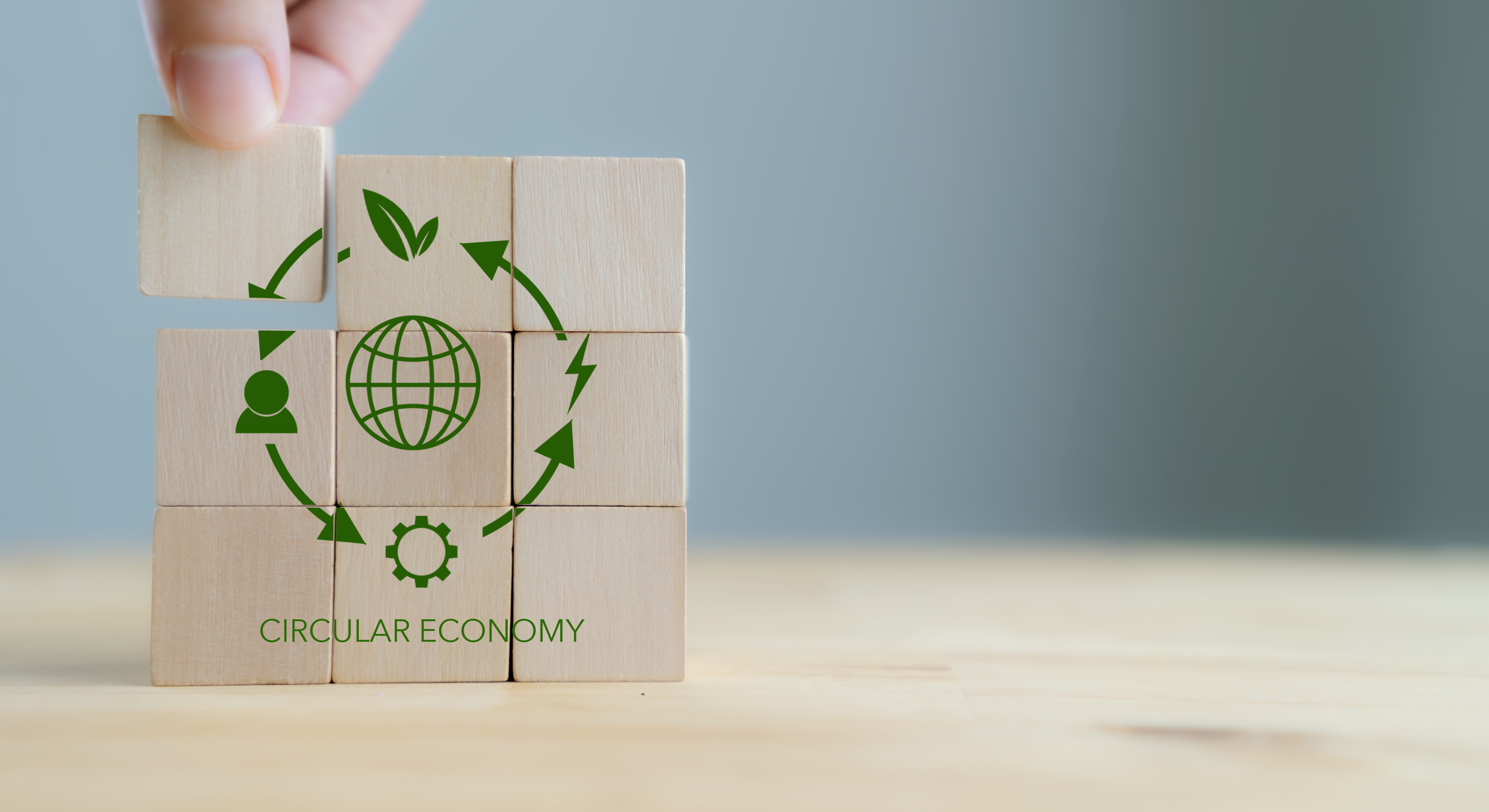
That’s why recycling is not the only solution to the waste crisis. However, it’s still an incredibly important part of a circular economy, in which we eliminate waste through reuse, repair, remanufacture, and recycling. (Learn how TerraCycle is working to move the world toward a circular economy.) Recycling has major environmental benefits (it reduces the need to extract virgin materials from the planet and prevents trash from being landfilled or littered), and it also allows valuable material to be reused in new production instead of sitting in landfills or being incinerated.
Myth 4: We shouldn’t recycle
Is recycling even worth it? Absolutely. You can be confident that your local recycling company is recycling items it can make a profit on (which are typically the specific items it tells you to put in your recycling bin). Keeping these items out of landfills is a win for the planet.
And when it comes to the rest of your trash, you can turn to TerraCycle solutions. Browse free recycling programs for beauty waste, food and snack packaging, home care items, and much more. Or, shop Zero Waste Boxes for solutions to go truly zero waste, like our All-In-One box.

Myth 5: Recycling can’t get better
Don’t lose hope! Recycling can become much more effective, but here’s the thing: It will take action from everyone—whether voluntary or mandatory.
-
As consumers, we ultimately need to buy less, buy better, reuse whatever we can, and dispose of waste responsibly. AKA, reduce, reuse, recycle. It’s hard (impossible for some) to go to zero waste, so we must recycle as much as we can locally and through other methods when possible. It’s also our responsibility to increase the volume of recycling (by choosing recycling rather than the landfill) and to ensure we only put accepted items in our recycling bins.
-
Many brands have been taking voluntary action to address hard-to-recycle waste. They’ve improved the accuracy of recyclability labeling, made their products or packaging locally recyclable, or created recycling programs through third parties like TerraCycle. However, voluntary action isn’t driving action at the necessary speed or scale. Ultimately, we need the government to make these choices mandatory.
-
Retailers can decide to purchase products from brands taking voluntary actions like requiring its brand partners to reduce the use of single-use plastics, virgin plastic, and non-recyclable materials. Retailers can also choose to offer on-site recycling solutions, as Walmart did with its pilot of a Community Recycling Hub, a partnership with TerraCycle. Some US states and cities, as well as countries around the globe, do mandate that retailers offer in-store recycling of items like plastic bags.
-
It’s on the government to enact legislation that reduces waste and accelerates the transition to a circular economy. Progress has been slow, but now it’s ramping up quickly around the world. California recently passed Senate Bill 343, which calls for regulating the word “recyclable” and the chasing arrows symbol on packaging. In many countries, Extended Producer Responsibility (EPR) schemes, which require producers to contribute to the costs associated with recycling the packaging they put on the market, are being introduced or signed into law. In some areas, producers are also required to include a certain percentage of recycled content in new products.
We can all encourage voluntary progress by voting with our dollars for brands that adopt sustainable measures. Even more importantly, we can accelerate mandatory progress by contacting our legislators.
If all of these voluntary and mandatory efforts were to happen, much more of our waste would be recycled. We can recognize the benefits of recycling, but most importantly, we must work together to buy less and reuse what we already have - and only then, to recycle.
About TerraCycle
TerraCycle is an international leader in innovative sustainability solutions, creating and operating first-of-their-kind platforms in recycling, recycled materials, and reuse. Across 21 countries, TerraCycle is on a mission to eliminate the idea of waste and develop practical solutions for today’s complex waste challenges. We engage an expansive multi-stakeholder community, from Fortune 500 companies to schools and individuals, across a wide range of accessible programs and have raised millions for schools and non-profits since our founding more than 20 years ago. To learn more about TerraCycle and join us on our journey to move the world from a linear economy to a circular one, please visit www.terracycle.com.